Onsen and Sento Etiquette: 12 Rules for First-Timers
A shared bath is easier to enjoy when you know what to do before you step into the water. These rules explain both the habit and the reason behind it.
Quick answer
Wash your body before entering the bath, then rinse with kakeyu (pouring hot water over yourself before you get in). Keep your towel and long hair out of the water, shower while seated, and dry off before returning to the changing room. The 12 rules below explain how to share lockers, showers, baths, and saunas.
Onsen etiquette starts with washing before you enter the shared bath and keeping towels, hair, and anything used for washing out of the water. At a sento (neighborhood public bath) or onsen (hot spring bath), the same basic approach helps everyone share the space comfortably. You bathe nude, use the washing area before soaking, and follow any signs posted by the facility. If you are visiting for the first time, you do not need to memorize a long ritual. Work through these 12 rules in order, and ask the staff if a local instruction is unclear.
Why does bath etiquette matter?
The bath is shared water, and the washing area is shared space. Washing first helps keep the tub clean. Using a shower carefully, making room for others, and drying off before entering the changing room help everyone use the facilities comfortably. These habits apply whether the bath feels familiar or entirely new to you.
Bathing is done nude, so remove your underwear as well as your clothes before entering the bathing area. Keep the facility’s signs in mind: its layout and any additional rules may differ. For a fuller walk-through from entrance to exit, see how to use a Japanese public bath.
What are the 12 rules for a first visit?
1. Wash before you soak
Go to the washing area before entering a tub. Rinse dirt from your body with a shower or kakeyu, and wash your body before soaking. The water in the tub is for everyone, so washing comes first even if you expect to take only a short bath. The Osaka public bath association’s etiquette guide also says to remove all underwear, keep towels out of the tub, tie up long hair, and dry off before returning to the changing room.
2. Do kakeyu before getting in
Kakeyu means pouring hot water over yourself before entering the bath. Use a bucket where one is provided, or follow the facility’s posted instructions. The Kyoto public bath association gives 3 to 4 scoops as a guide. Pour carefully so the water stays on you and does not splash someone nearby. Kakeyu is part of the transition from the washing area to the shared tub; it does not replace washing your body first.
3. Keep your towel out of the water
A small towel can be useful while you wash, but leave it outside the tub when you soak. Do not dip an edge into the water, even briefly. Set it where the facility allows, keeping it from falling into the bath. This rule protects the shared water and is easy to remember: your body goes in; your towel stays out. If you are packing for your visit, see what to bring to a sento or onsen.
4. Tie up long hair
If your hair is long enough to reach the bathwater, tie it up before getting in. Keep it above the surface while you soak, just as you keep your towel out. You can sort out your hair in the washing area, then check that it will stay in place before entering a tub. This small step saves you from having to adjust it while sharing the water with other bathers.
5. Do not swim, dive, or go underwater
A shared tub is for soaking. Do not jump in, swim, or put your head under the surface. Enter carefully and leave room for the people already bathing. If you are unsure where to step or where to sit, pause and look at the space before moving. Taking a moment is easier than splashing others or disturbing someone who is already settled in the bath.
6. Sit down to shower
Use the shower while seated, as the Kyoto public bath guidance instructs. Before turning it on, notice where the spray is pointed and whether someone is washing beside you. Keep the water directed toward your own washing spot. When you finish, leave the area ready for the next person. A seated shower makes it easier to control the spray in a space where people may be close together.
7. Keep splashes to yourself
A bucket pour or shower spray can easily reach the person next to you. Pour water close to your body, turn a shower head away from others, and take care when rinsing your hair. The same consideration applies as you enter or leave a tub: move steadily so you do not send water over the edge or onto another bather. You do not need to rush through washing; you just need to notice the people around you.
8. Ask before adding cold water
If a bath feels too hot, do not change the water temperature for everyone without asking. The Tokyo bathhouse association’s guide says to speak to people nearby before adding cold water to lower the temperature. If you are unsure whether adding water is permitted, read the signs or ask staff instead. Other bathers may be using the tub at its current temperature, so give them a chance to respond.
9. Keep conversation considerate and do not take photos
Talk at a level that leaves room for others to enjoy the bath. Put photography aside entirely in bathing areas: JNTO’s onsen guide says not to take photos there. This applies even if you intend to photograph only the room or your companions. If you want a picture elsewhere in the facility, check its signs or ask staff where photography is allowed.
10. Do not bathe when drunk
If you have been drinking alcohol, skip the bath. Kyoto’s public bath guidance says intoxicated people cannot bathe, and JNTO advises against bathing after drinking. The Consumer Affairs Agency’s bathing safety notice also advises avoiding baths immediately after a meal or after taking medication, as well as avoiding very hot water and long baths. Pay attention to how you feel, and follow any safety instructions posted at the facility.
11. Dry off before entering the changing room
Before you leave the bathing area, wipe the water from your body. You do not need to get fully dressed at the doorway; the point is to avoid carrying bathwater onto the changing room floor. Keep a towel within reach for this moment, while still keeping it out of the tub during your soak. Then return to your locker to dress. This is one of the final steps of sharing the space well.
12. Use one locker and one washing spot per person
Take one locker and one washing spot, as the Kyoto public bath guidance instructs. If you have several belongings, keep them together rather than spreading them across neighboring lockers or wash stations. When you are done at the shower, make the spot available for someone else. These spaces may be shared in turn, so a little attention to where you leave your things helps the next person get started.
What about the sauna and cold bath?
If you use a sauna, rinse off sweat before entering a cold bath. Keep your towel out of the cold bath, just as you would with a warm tub. Follow the facility’s posted rules for both spaces, since the arrangement and instructions vary. If you cannot find a rule you need, ask the staff before going in.
You can also decide to skip either space. The shared-bath basics still apply: wash before soaking, avoid splashing others, and leave room for the next person. There is no need to follow someone else’s routine to use the bath respectfully.
Can you visit with a tattoo?
Tattoo policies differ by facility, so check the official site before you go. Japan’s Tourism Agency guidance gives facilities examples such as covering a tattoo with a sticker, using designated times, or suggesting a private bath. These are possible arrangements, not promises that a particular bath offers them. For more help planning, read tattoos at Japanese baths in Osaka and Kyoto.
Prices and hours were checked on each facility’s official site on October 12, 2026. They vary by facility, so check the official site again when planning your visit.
Summary
The essentials are simple: wash first, keep the shared water clear, and pay attention to the people around you. Signs and staff can help with rules specific to the bath you choose. If you are deciding where to start, browse public bathhouses in Kyoto and check the facility’s official site before you visit.
FAQ
Why can’t you put your towel in the onsen?
Keep towels out because the bathwater is shared. Leave your washing towel outside the tub, where the facility permits, and make sure it cannot slip into the water. The rule applies to a sento as well as an onsen. If you are unsure where to put your towel, check the signs or ask the staff.
Do you wash before or after the bath?
Wash before you enter the shared bath. Use the washing area, then do kakeyu before stepping into the tub. You may rinse again afterward if you wish, but an afterward wash does not replace washing first. Before you return to the changing room, wipe the water from your body.
Is it rude to talk in the bath?
You can speak, but keep your conversation considerate of nearby bathers and follow any posted rules. A shared bath is a close space, so notice whether your voice carries and make room for others to use it comfortably. If staff ask for quiet in a particular area, follow their instruction.
Can I wear a swimsuit?
Bathing in a Japanese onsen is generally done nude; do not assume a swimsuit is permitted in the shared bathing area. Remove underwear before entering, and check the facility’s official site for any specific rules or arrangements. If the instructions are unclear when you arrive, ask staff before going into the bath.
Should I rinse after the sauna?
Yes. Rinse off sweat before entering the cold bath, and follow the facility’s sauna and cold-bath signs. Keep your towel out of the water and take care not to splash anyone nearby. If you cannot tell where to rinse or whether a space has additional rules, ask staff before using it.
Can I use a bath if I have a tattoo?
That depends on the facility. Check its official site for its tattoo policy before visiting; do not assume that covering a tattoo or booking a private bath is available. If the site does not state a policy, ask the facility directly. Any arrangement offered by one bath may differ from another’s.
Sources
- 銭湯マナー (大阪府公衆浴場業生活衛生同業組合)
- 銭湯の利用方法 (京都府公衆浴場業生活衛生同業組合)
- 銭湯の入り方 (東京都浴場組合)
- How to best enjoy onsen (Japan National Tourism Organization)
- 年末年始、高齢者の事故に注意しましょう! (消費者庁, December 23, 2025)
More guides
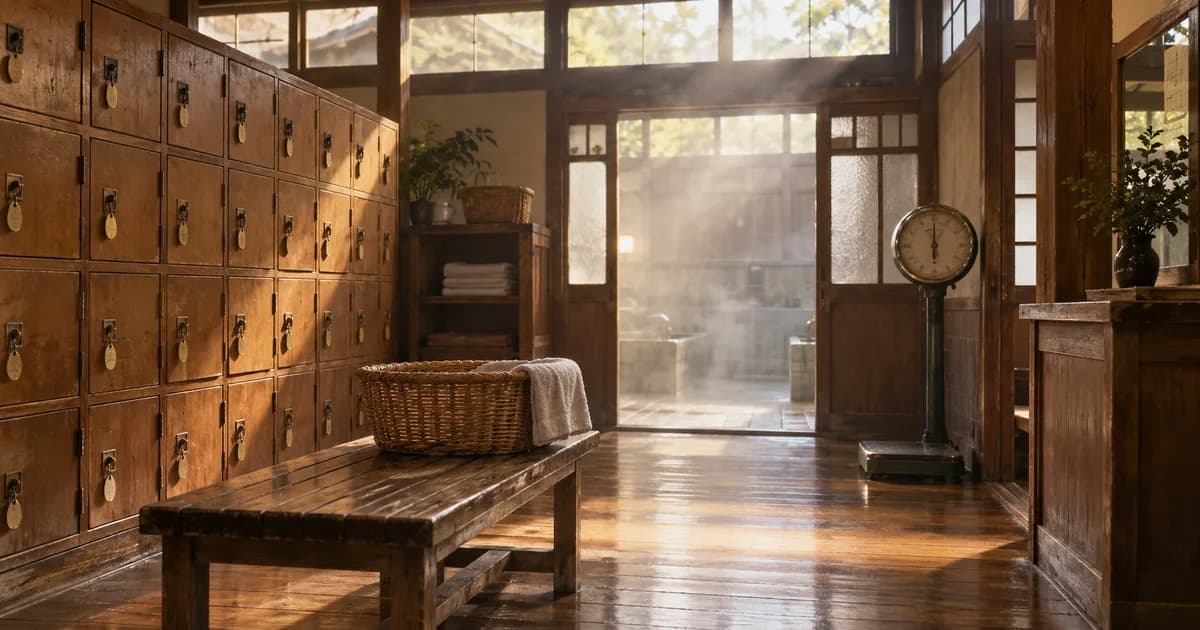
Guide · 7 min read
How to Use a Japanese Sento or Super Sento: A Visitor’s Guide
Your first public bath visit can be straightforward. Here’s what to bring, what to do in order, and how to share the bathing space courteously.
Guide · 9 min read
Tattoos at Japanese Baths: Osaka and Kyoto Rules
Some Kansai bathhouses welcome guests with tattoos, while others set conditions or refuse entry. Use their published policies to plan your visit.
Guide · 8 min read
Super Sento in Osaka: Baths, Prices, and How to Visit
Choose an Osaka bathhouse that fits your route and schedule. Compare admission prices, late closing times, and facilities before you go.